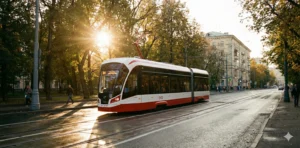
Moving to Moscow in 2026: 7 rules that changed for foreigners
The RuID app, fingerprints at the border, a shorter deadline for the medical exam, a longer e-visa and new SIM card rules: what changed for foreigners in 2025 and 2026, with the source for each rule.

On this page 11 sections
- 1. Do visa-free travellers need to use the RuID app?
- 2. Are fingerprints and a photo taken at the border?
- 3. How soon must you do the medical exam now?
- 4. How long can you stay on the Russian e-visa?
- 5. What do you need for a Russian SIM card now?
- 6. Can a spouse of a Russian citizen still get a residence permit without a quota?
- 7. How is income taxed in Russia since 2025?
- What did not change?
- How do you prepare for the new rules step by step?
- Questions people ask
- Sources
Short answer: seven rules changed for foreigners moving to Moscow in 2025–2026: since 1 July 2026 visa-free travellers file an application in the Gosuslugi RuID app at least 72 hours before entry, and since 1 September 2026 the medical exam is due within 30 days of entry instead of 90 (HSE University Visa Support Centre).[1][2] The e-visa now allows a 30-day stay, fingerprints and a photo are taken at the border, a Russian SIM card needs a verified Gosuslugi account and biometrics, and a spouse’s quota-free residence permit needs three years of marriage or a child.[3][4][5][6] Since 1 January 2025, resident income tax is progressive, from 13% up to RUB 2.4 million a year to 22% above RUB 50 million (Tax Code, article 224).[8]
If you last read about moving to Russia two years ago, several steps have changed. Here are the seven that matter most when you move to Moscow, each with the date it took effect and its source. Rules checked on 24 October 2026.
1. Do visa-free travellers need to use the RuID app?
Since 1 July 2026, foreigners who enter Russia without a visa are required to submit an application in the Gosuslugi RuID mobile app (the state services app for foreigners’ entry applications) at least 72 hours before entry. Citizens of Belarus, children under 6 and people entering with a Russian visa are exempt. Reports differ on how strictly this is applied to tourists during the current experiment, so check the status before you book.[1]
What to do: if your passport lets you enter visa-free, install the app and file the application at least three days before you fly.
2. Are fingerprints and a photo taken at the border?
Collecting fingerprints and a facial photo from foreigners at the border, where the equipment allows, has become part of entering Russia. The experiment behind it has been extended to 31 December 2027.[4]
What to do: allow extra time at passport control.
3. How soon must you do the medical exam now?
Foreigners staying in Russia for more than 90 days must take a medical exam and give fingerprints and a photo (Federal Law 115-FZ). Since 1 September 2026, the medical exam has to be done within 30 calendar days of entry, instead of 90. The certificate is valid for one year; fingerprinting is done once. Missing the deadline can shorten your stay or lead to an entry ban.[2]
What to do: book the exam in your first weeks, not your first months.
4. How long can you stay on the Russian e-visa?
The unified e-visa allows a single stay of up to 30 days and is valid for 120 days from issue. Apply online between 86 and 4 days before entry; processing takes up to 4 calendar days. It is open to citizens of 64 countries, but not to the United States, the United Kingdom, Canada or Australia.[3]
What to do: use it for a scouting trip. To live in Moscow you still need a visa that matches your reason for coming: see the Russian visa types compared.
5. What do you need for a Russian SIM card now?
Since 2025, a foreigner who wants a Russian SIM card in their name needs a SNILS (individual insurance account number), a verified account on Gosuslugi (the state services portal) and registered biometrics, and can hold no more than 10 Russian numbers.[5]
What to do: plan this in your first week; most banks, apps and deliveries need a Russian number.
6. Can a spouse of a Russian citizen still get a residence permit without a quota?
Since January 2025, a foreign spouse can get an RVP (temporary residence permit) outside the yearly quota only if the marriage has lasted at least three years, or if the couple has a child together. The permit is refused or cancelled if the marriage ends.[6]
7. How is income taxed in Russia since 2025?
Since 1 January 2025, income tax for residents is progressive: 13% up to RUB 2.4 million a year, then 15% up to RUB 5 million, 18% up to RUB 20 million, 20% up to RUB 50 million and 22% above (Tax Code, article 224, edition of 4 August 2026).[7][8] Salaries of highly qualified specialists are taxed at the resident rates from the first day, instead of the 30% rate for other non-residents.[7][8] How the 183-day rule decides which rate applies to you is explained in our guide to tax residency in Russia; more in the banking and taxes guide.
What did not change?
You still need to be registered at your address within 7 working days of arrival. A hotel does it for you; in a rented apartment, the owner usually files it, but if you have a residential lease with the owner the law says that you file it yourself, so agree in the lease who does it. Keep your migration card and your registration slip with your passport (see our guide to migration registration and the visas and entry guide). The free Moving to Moscow checklist puts every step in order.
How do you prepare for the new rules step by step?
- At least 3 days before a visa-free trip: file your application in the Gosuslugi RuID app (72 hours before entry).[1]
- For a short scouting trip: apply for the e-visa between 86 and 4 days before entry, if your country is eligible.[3]
- At the border: allow extra time for fingerprints and a photo.[4]
- Within 7 working days: get registered at your address, and keep the slip with your passport.
- In your first week: SNILS, verified Gosuslugi account and biometrics, then your Russian SIM card.[5]
- Within 30 days of entry: the medical exam, if you stay more than 90 days.[2]
Planning your budget as well? Our cost of living in Moscow in 2026 gives rent, transport and food prices with their sources. And if you would rather have the visa, registration or permit paperwork handled for you, describe your case on our legal and visa services page.
Questions people ask
What changed for foreigners moving to Russia in 2026?
Two big changes took effect in 2026: since 1 July 2026, visa-free foreigners must file an application in the Gosuslugi RuID app at least 72 hours before entry, and since 1 September 2026 the medical exam for stays over 90 days is due within 30 days of entry instead of 90.[1][2] The border fingerprinting experiment was also extended to 31 December 2027.[4]
Do I need the RuID app to enter Russia?
Only if you enter Russia without a visa. Since 1 July 2026, visa-free foreigners must file an application in the Gosuslugi RuID app at least 72 hours before entry; citizens of Belarus, children under 6 and people entering with a Russian visa are exempt (HSE University Visa Support Centre, 28 May 2026).[1] Reports differ on how strictly it is applied to tourists, so check before you book.
How long is the Russian e-visa valid?
The unified e-visa is valid for 120 days from issue and allows a single stay of up to 30 days. You apply online between 86 and 4 days before entry, and processing takes up to 4 calendar days (Russian Foreign Ministry). It is open to citizens of 64 countries, not including the United States, the United Kingdom, Canada or Australia.[3]
How soon must foreigners do the medical exam in Russia?
Since 1 September 2026, foreigners staying more than 90 days must take the medical exam within 30 calendar days of entry, instead of 90 before.[2] The certificate is valid for one year, and fingerprinting and the photo are done once. Missing the deadline can shorten your stay or lead to an entry ban.
Can a foreign spouse of a Russian citizen get an RVP without a quota?
Yes, but since January 2025 only if the marriage has lasted at least three years or the couple has a child together (Konsu Group).[6] The temporary residence permit is refused or cancelled if the marriage ends.
What is the income tax rate for foreigners in Russia?
Tax residents (183 days or more in Russia in 12 months) pay a progressive rate from 13% up to RUB 2.4 million a year to 22% above RUB 50 million (Tax Code, article 224).[8] Non-residents pay 30% on most income, except highly qualified specialists, whose salaries are taxed at the resident rates from the first day.[7][8]
Sources
- HSE University Visa Support Centre, “The Gosuslugi RuID app to become mandatory for visa-free foreign citizens starting July 1, 2026”, 28 May 2026. ivisa.hse.ru (checked 25 October 2026)
- HSE University Visa Support Centre, “Mandatory procedures: medical examinations, fingerprinting and photographing”. ivisa.hse.ru (checked 24 October 2026)
- Russian Foreign Ministry, unified e-visa portal and list of eligible countries. evisa.kdmid.ru (checked 24 October 2026)
- Asia-Plus, “Russia extends foreigners’ digital profile experiment until the end of 2027”, 3 June 2026. asiaplus.news (checked 24 October 2026)
- Van Rhijn & Partners, “Buying a Russian SIM card in 2025: new rules for foreigners”. vanrhijnlegal.com (checked 24 October 2026)
- Konsu Group, changes to migration law from 25 January 2025. konsugroup.com (checked 24 October 2026)
- Telfa Law, personal income tax in Russia. telfa.law (checked 24 October 2026)
- Tax Code of the Russian Federation, part 2, article 224 (tax rates, including income of highly qualified specialists), edition of 4 August 2026, legalacts.ru. legalacts.ru (checked 25 October 2026)
Information, not legal advice. Rules change often: check with the official source before you act.